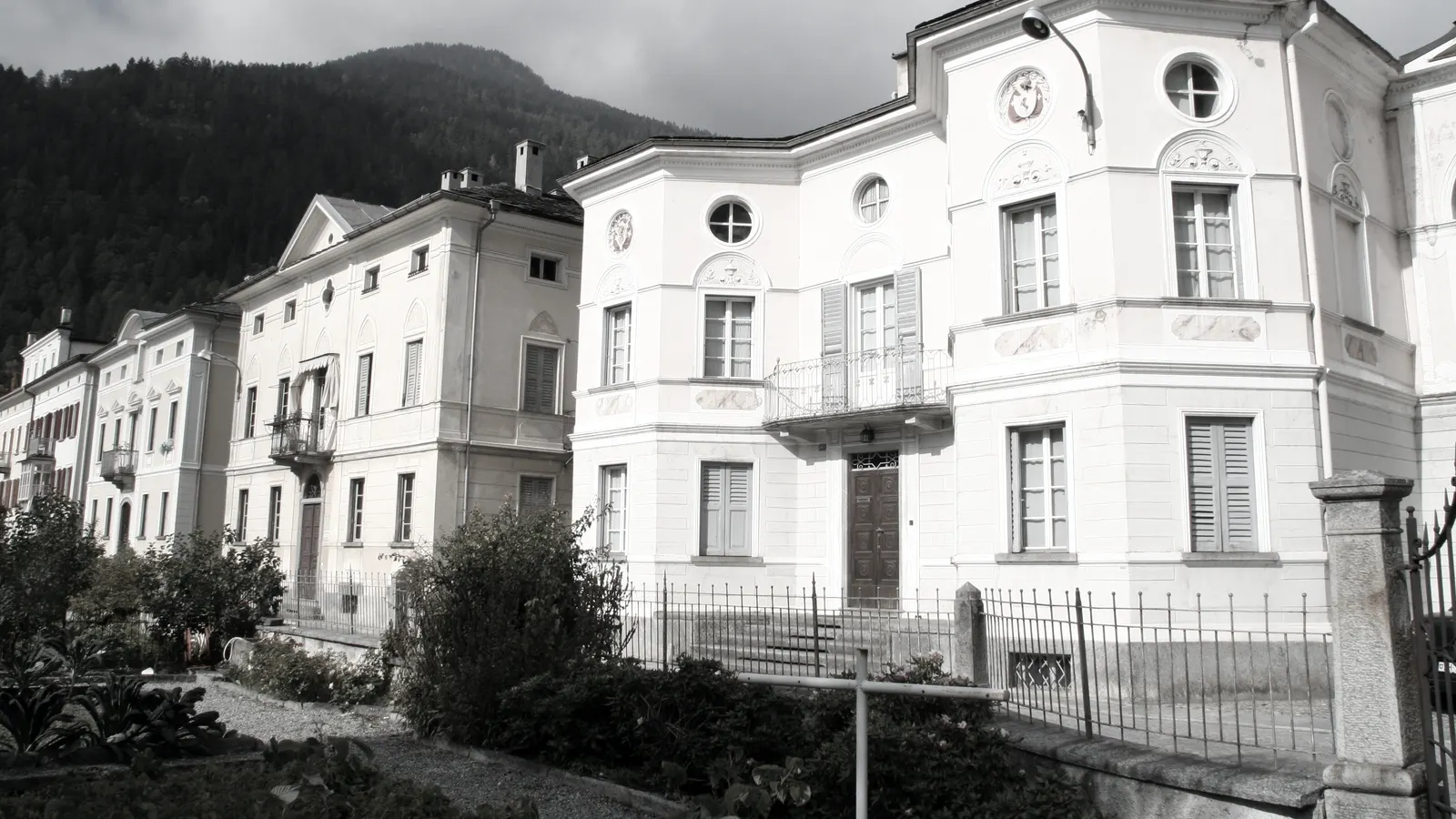
Corporate housing switzerland is the term HR teams use for a home that the employer arranges, and often pays for, while a transferee settles in. It covers furnished apartments, serviced units and short leases signed by the company. This guide helps the mobility manager decide which structure fits the policy.
It deals with the housing decision only. For the product itself, see temporary and furnished housing. For the wider policy, see designing a relocation policy.
Why employers arrange housing at all
A transferee who lands in Switzerland without a home is slow to start work. The rental market is tight. According to the Federal Statistical Office (FSO), the vacancy rate stood at 0.93% of the housing stock on 1 June 2026, the first reading below one per cent cited in its release.
A low vacancy rate means landlords choose between many applicants. A newcomer with no Swiss payslip, no local references and no residence permit yet is often at the back of the queue. Corporate housing removes that obstacle for the first weeks or months.
Who holds the lease
Three structures cover most cases.
Company lease
The employer signs, pays and sublets or allocates the unit. The company carries the contract risk. This suits group moves and short, predictable assignments. It also keeps the transferee's name off a document that may outlast the assignment.
Transferee lease with employer support
The transferee signs a normal tenancy. The employer funds part of the cost, covers the deposit or adds an allowance. Exit terms depend on the contract, so the policy needs to say who pays if the assignment ends early.
Provider-managed stay
A furnished or serviced unit is booked through a provider. Services such as cleaning, linen and utilities are usually bundled. This is the simplest option for the first stage of an assignment.
Choosing duration
Duration is the main cost driver. Define it by the assignment plan, not by the first quote.
- A short stay bridges the gap while a permanent home is found.
- A medium stay covers a project or a trial period.
- A long stay approaches a normal lease and may cost more than one.
Many furnished units carry a minimum term and a notice period. Read both before signing. An early exit can cost more than the extra nights it saves.
Residence status and registration
Admission rules differ by nationality. Switzerland applies two regimes: one for EU/EFTA nationals and one for third-country nationals, according to the State Secretariat for Migration (SEM). The permit finder shows which route applies in general terms. Neither route is decided by the housing choice.
Arrival registration depends on an address. Registration with the commune is due within 14 days of arrival in many places, according to ch.ch. The exact deadline varies by commune and canton. The registration usually needs an identity document, the residence or work permit and proof of health insurance.
For that reason the lease or booking confirmation needs to name the transferee as occupant. Some landlords restrict this for company-let units. Ask the provider in writing whether registration at the address is accepted.
Basic health insurance is compulsory for anyone domiciled in Switzerland, to be taken out no later than three months after taking up residence, according to the Federal Office of Public Health (FOPH). Cover is backdated to the date of residence if the deadline is met. The temporary address is where the insurer will write, so mail handling matters.
Where costs drift
Cost control sits in the details around the rent.
- Overlap. Paying for a temporary unit and a permanent home at the same time.
- Extensions. Short stays extended week by week, often at a higher rate.
- Utilities and services. Cleaning, internet and parking billed separately.
- Deposit. A deposit tied up for the length of the stay, with deductions at check-out.
- Tax treatment. Housing paid by the employer can affect payroll. See payroll and social security for assignees.
The cost of living guide gives context for budgets. Failed placements add to the bill: see the hidden costs of a failed assignment.
Lump sum or managed
Under a lump sum, the transferee finds and pays for housing from a fixed sum. Under a managed service, the employer or a provider handles it. The choice changes who bears the risk of a bad lease. Lump sum or managed relocation sets out the decision frame.
A checklist for HR
- Housing type and maximum duration written into the policy
- Budget ceiling per household size agreed
- Lease holder identified
- Minimum term and notice period checked
- Registration at the address confirmed in writing
- Deposit terms and refund conditions recorded
- Inventory and handover report planned
- Plan for the move to a permanent home set
- Family needs checked (see onboarding assignee families)
The rental file checker helps prepare the documents a landlord asks for when the move to a permanent home comes. To discuss a case, use the corporate housing request at the bottom of the page. Your employee's case is then reviewed by a relocation company suited to the need.
Frequently asked questions
What is corporate housing in Switzerland?
It is housing arranged or paid for by an employer for a transferee. It is usually furnished and let for a limited term. It bridges the period before a permanent home is found.
Who signs the lease for corporate housing?
Either the company or the transferee. A company lease puts the contract risk on the employer. A transferee lease with support puts it on the individual. The policy decides which applies.
How long can an assignee stay in corporate housing?
It depends on the unit and the contract. Many have a minimum term and a notice period. The policy should set a maximum duration so that stays do not extend without review.
Is corporate housing cheaper than a normal lease?
Usually not per month. It often costs more because furniture and services are included. It can save money overall by avoiding double rent, repairs and a long lease the assignment cannot fill.
Can the transferee register at a corporate housing address?
Often yes, but it depends on the landlord and the commune. Ask the provider in writing before signing. Registration with the commune is needed after arrival.
When does the assignee register after arrival?
Registration with the commune is due within 14 days of arrival in many places, according to ch.ch. The deadline varies by commune and canton, so the commune's own guidance applies.
What documents does the commune ask for?
Typically an identity document, the residence or work permit and proof of health insurance. Requirements differ by commune. The commune indicates the exact list.
Does the housing choice affect the permit?
No. The permit is decided by the authorities under the admission rules. Switzerland has two regimes, one for EU/EFTA nationals and one for third-country nationals. See immigration support for the process.
When is health insurance taken out?
Basic health insurance is compulsory for those domiciled in Switzerland, within three months of taking up residence. Cover is backdated if the deadline is met, according to the FOPH.
Is the housing market tight?
Yes. The FSO reported a vacancy rate of 0.93% on 1 June 2026. Tight supply favours applicants with local references, which a new arrival rarely has.
Why do landlords refuse newcomers?
Landlords often ask for Swiss payslips, debt enforcement records and references. A newcomer lacks these. Corporate housing avoids the problem for the first stage.
Should the employer pay the deposit?
That is a policy choice. If the transferee pays, the employer may reimburse it. Record who owns the refund at check-out, because it affects both parties.
What happens if the assignment ends early?
Exit terms depend on the contract. A company lease may carry a notice period and costs the employer bears. See departure and repatriation for the wider process.
How do we avoid paying double rent?
Time the notice on the temporary unit to the move-in date of the permanent home. Check the notice period when booking. Avoid week-by-week extensions.
Are utilities and internet included?
In many serviced units, yes. In others they are billed separately. Ask for a written list of what the rate covers.
Is housing paid by the employer taxable?
It can affect payroll treatment. The rules depend on the case, so payroll or a tax adviser reviews it. Our guide on payroll and social security gives the general picture.
Does a family need a different type of unit?
Often. Household size, schools and space change the brief. See onboarding assignee families and the school choice guide.
Can a group move use corporate housing?
Yes. A block booking or a framework arrangement can serve several transferees. See group moves to Switzerland.
Which city should the unit be in?
It depends on the workplace, the commute and the household. The city comparator gives a starting comparison.
What is the difference between temporary housing and corporate housing?
Temporary housing describes the duration. Corporate housing describes who arranges and pays. A unit can be both. See the temporary housing service.
What should the brief to a provider include?
City, start date, household size, pets, parking, budget and expected duration. A complete brief reduces rework and price changes.
How early should the housing be arranged?
Before the transferee departs, where possible. The relocation calendar shows the sequence of steps around departure and arrival.
What happens after the temporary stay?
The transferee moves to a permanent home. The home search service and the settling-in service cover that stage.
How does the request work?
The request at the bottom of the page describes the assignment. Swiss Relocation Agency then puts the employer in contact with the relocation company that fits the need. Outcomes depend on the company and the authorities.
Sources
Related pages
- Employee relocation to Switzerland
- Designing a relocation policy for Swiss assignme
- What a relocation package to Switzerland should
- What is a relocation package?
- How much is a relocation package worth? Benchmar
- Relocation package examples
- Lump-sum relocation
- Lump sum or managed relocation? A decision frame