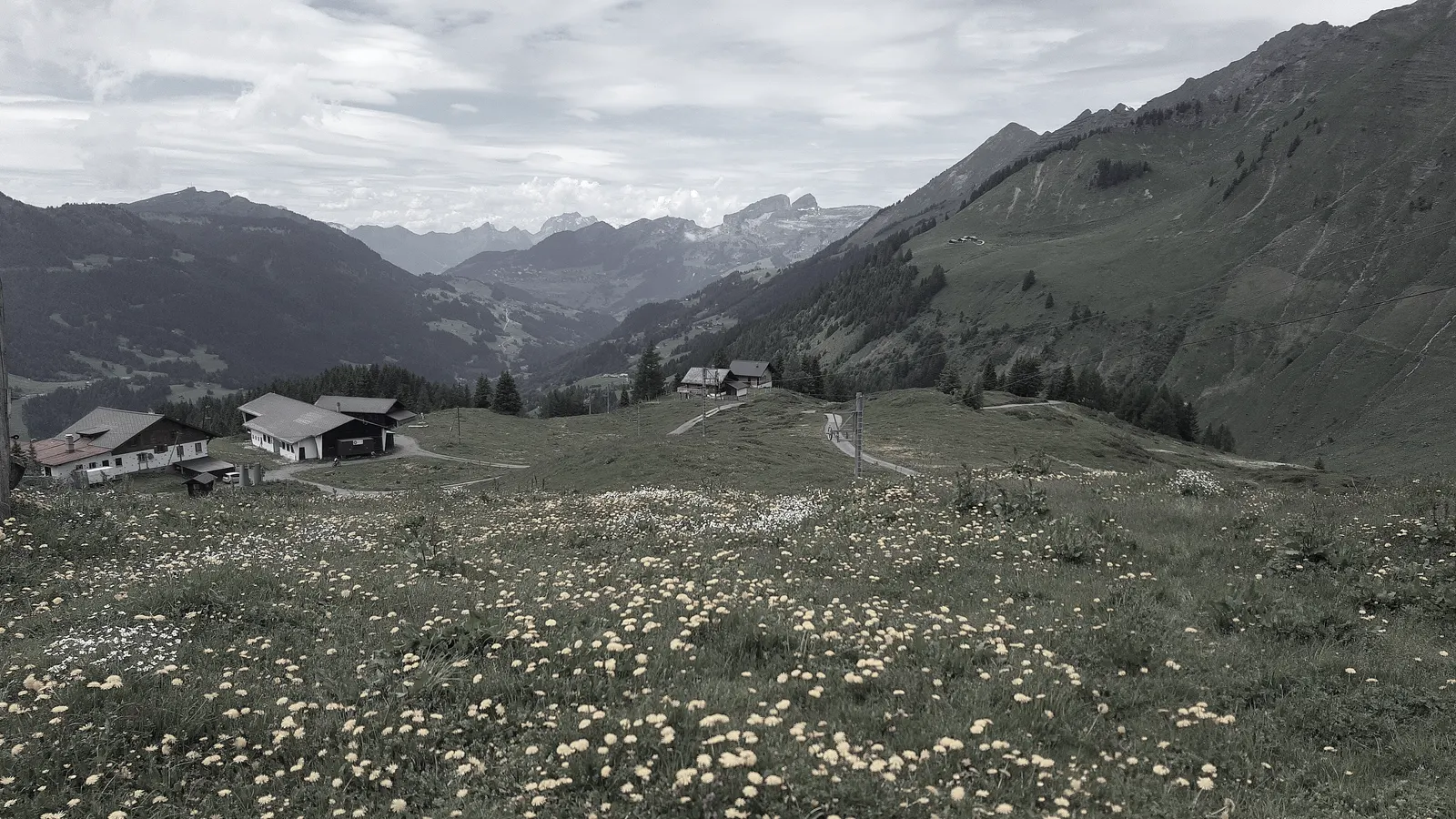
Your transferee will not move to "Switzerland" in language terms. They will move to a canton, and often to a municipality (Gemeinde, commune, comune) within it. That is where the language of the forms, the lease, the school and the neighbours is decided.
This page sets out the language map, then what it changes in practice for an assignment. It is written for the HR or mobility manager who has to brief an employee arriving from abroad.
The short answer for a mobility manager
Switzerland has four national languages: German, French, Italian and Romansh. Federal bodies use the first three. Each canton decides its own official language or languages. Most cantons are German-speaking. French dominates the west, Italian the south, and a few cantons are officially bilingual.
English is not an official language anywhere. It works well in international workplaces, in airports and in large-city services aimed at expatriates. It works much less reliably at the municipal counter, at the school gate or with a landlord.
Language of the canton, not of the country
The language of an official letter follows the canton. A transferee who lives in Zürich receives German. One who lives in Geneva receives French. One in Ticino receives Italian.
Three cantons are not simple. Bern, Fribourg and Valais (Wallis) are officially bilingual, with German and French. Graubünden is trilingual: German, Romansh and Italian, depending on the valley. In these cantons the language also depends on the municipality, so check the address, not only the canton.
For the full list of 26 cantons, see the cantons overview.
Written German is not what people speak
In German-speaking Switzerland, people speak Swiss German dialects (Schweizerdeutsch), which differ from the standard German taught abroad. Writing, official letters, school material and most contracts use standard German (Hochdeutsch).
This matters for an employee who has studied German in Germany or Austria. They will read documents without difficulty. They may struggle to follow the conversation at a municipal counter or in a neighbourhood association. Colleagues often switch to standard German or English when asked.
French-speaking Switzerland is closer to the French of France. A transferee from France will notice a few vocabulary differences, not a different language. Italian in Ticino is close to standard Italian.
Where English works
English is the working language of many international employers, especially in the large business centres and in the Geneva, Basel and Zürich-Zug areas. Your transferee may never need another language at the office.
English is much less dependable outside work:
- municipal counters and cantonal offices usually operate in the local language;
- leases, house rules and inspection reports are normally in the local language;
- public schools teach in the local language;
- health insurers and doctors vary, and some offer English only on request.
Treat English as a bridge, not a plan. Where documents are signed, the signed language is the one that counts. Ask for a translation, and keep in mind that a translation may not carry legal weight.
What the language changes in a relocation
Registration with the municipality
Your employee must register with the municipality after arrival. The commonly cited period is 14 days, and it can vary by municipality or canton, so confirm it locally (Swiss Confederation citizens' portal). Expect the counter to work in the local language. Bring the identity document, the residence or work permit and proof of health insurance.
Health insurance
Anyone resident in Switzerland must take out basic health insurance no later than three months after taking up residence. If the deadline is met, cover is backdated to the date of residence (FOPH). The policy documents come in the language of the insurer and canton. Build a translation check into your onboarding step.
Housing
A lease is written in the local language. The same applies to the handover report and to any correspondence with the managing agent (régie, Verwaltung). A transferee who cannot read the lease should not sign it unread. Plan time for a translation or for a specialist to explain it.
Schools
State schools teach in the local language. International schools teach in English, French or bilingual programmes, and exist mainly in and around the larger centres. The choice of language of instruction shapes where the family can live. Read the Swiss school system and public schools in Switzerland before fixing the housing search, and use the school choice guide to compare options.
Residence permits
The authorities that decide on permits are the cantonal migration offices and the State Secretariat for Migration. The permit itself does not depend on your language skills at the start of an assignment. What a canton may ask later, for example for a longer-term status, differs and is set by the authority. Ask the cantonal office rather than relying on hearsay. For the permit routes, see Swiss work permits.
Choosing a location with language in mind
When you compare locations for a group of employees, add language as a decision criterion next to rent, tax and commute.
- Team already works in English: the large business centres suit best, and the daily language gap is smallest.
- Family with school-age children: decide the language of instruction first, then the municipality.
- Employee with a partner who will look for work: the local language is often decisive for the partner's job search. See supporting the accompanying partner.
- Assignee who wants to integrate: a canton where the assignee already speaks the language shortens the settling-in period.
The city comparator helps put these criteria side by side.
Practical steps before departure
- Confirm the language of the canton and the municipality of the new address.
- Brief your employee on what English will and will not cover.
- Ask whether the employer will fund language lessons, and when they start.
- Arrange a translation or interpreter for the lease signing.
- Check which language the children's school uses.
- Gather identity, permit and insurance documents for the municipal counter.
For course formats and timing, see language courses for assignees. For workplace habits that go with the language, see Swiss workplace culture and integration.
If you would like a specialist to look at a specific destination and case, use the request at the bottom of the page.
Frequently asked questions
How many languages are spoken in Switzerland?
Four national languages exist: German, French, Italian and Romansh. Most residents use one of the first three daily. Many also use English at work, and many other languages are spoken by the resident population.
Which language is spoken in Zürich?
German is the official language, and Swiss German dialect is the spoken form. Standard German is used in writing. English is common in international workplaces.
Which language is spoken in Geneva?
French. Geneva is a French-speaking canton, and its administration works in French. English is widely used in international organisations and companies.
Which language is spoken in Ticino?
Italian. Ticino is the only canton where Italian is the sole official language. Standard Italian is used in writing and in public services.
Which cantons are bilingual?
Bern, Fribourg and Valais are officially bilingual in German and French. The language of a letter can depend on the municipality. Check the address with the authority.
Is Graubünden really trilingual?
Yes. German, Romansh and Italian are all used, depending on the valley. Municipalities choose their own working language, so the local language depends on the exact address.
Can my employee live in Switzerland using only English?
For daily work in an international employer, often yes. For administration, housing, schools and healthcare, the local language is usually needed or at least very helpful. Plan for translation support.
Do municipal offices work in English?
Do not assume it. Municipal offices work in the local language. Some larger municipalities offer English on request, but this is not a rule.
Are official forms available in English?
Some federal and cantonal information pages exist in English. The forms that your employee must submit are usually in the local language. Ask the office which version counts.
Is Swiss German the same as German?
No. Swiss German is a group of spoken dialects. Writing and formal speech use standard German. A German speaker from abroad reads Swiss texts easily but may not follow dialect.
Does Swiss French differ from French in France?
Only a little. Accent and a few words differ, but a French speaker from France is understood and reads all documents without trouble.
Which language should my transferee learn first?
The language of the canton where they will live. A language chosen for another canton helps little at the municipal counter. See language courses for assignees.
Do children need to speak the local language?
For a state school, the language of instruction is the local language, and schools usually organise support for newcomers. International schools teach in English or in a bilingual programme. Check each school directly.
Which language is the lease written in?
The local language of the municipality, in nearly all cases. Ask the managing agent for a translation of the key clauses, but sign only the text that governs.
In which language do health insurers write?
Usually the language of the canton, although some insurers offer English service. Your employee must take out basic cover no later than three months after taking up residence (FOPH).
How soon must the employee register with the municipality?
The commonly cited period is 14 days after arrival, and it can vary by municipality or canton (Swiss Confederation citizens' portal). Confirm it with the municipality before departure.
Does language affect which permit my employee gets?
Language is not what determines the permit category at the start of an assignment. The authorities decide on admission. Later steps may carry their own requirements, which the cantonal office can explain.
Should we choose the destination by language?
Treat language as one criterion among others, together with the workplace, school, housing and partner's career. The city comparator lets you weigh these together.
Who pays for language lessons?
That depends on your policy. Many employers include lessons in the assignment package, but it is a policy decision for your company and not a legal rule.
What if my employee's partner speaks neither language?
Plan lessons early, and check job options in an English-speaking environment if the partner intends to work. See supporting the accompanying partner.
Can a specialist help with the language side of a move?
Yes. The relocation providers we connect you with can advise on the local language situation for a specific destination. Describe the case in the request, and a specialist examines it.