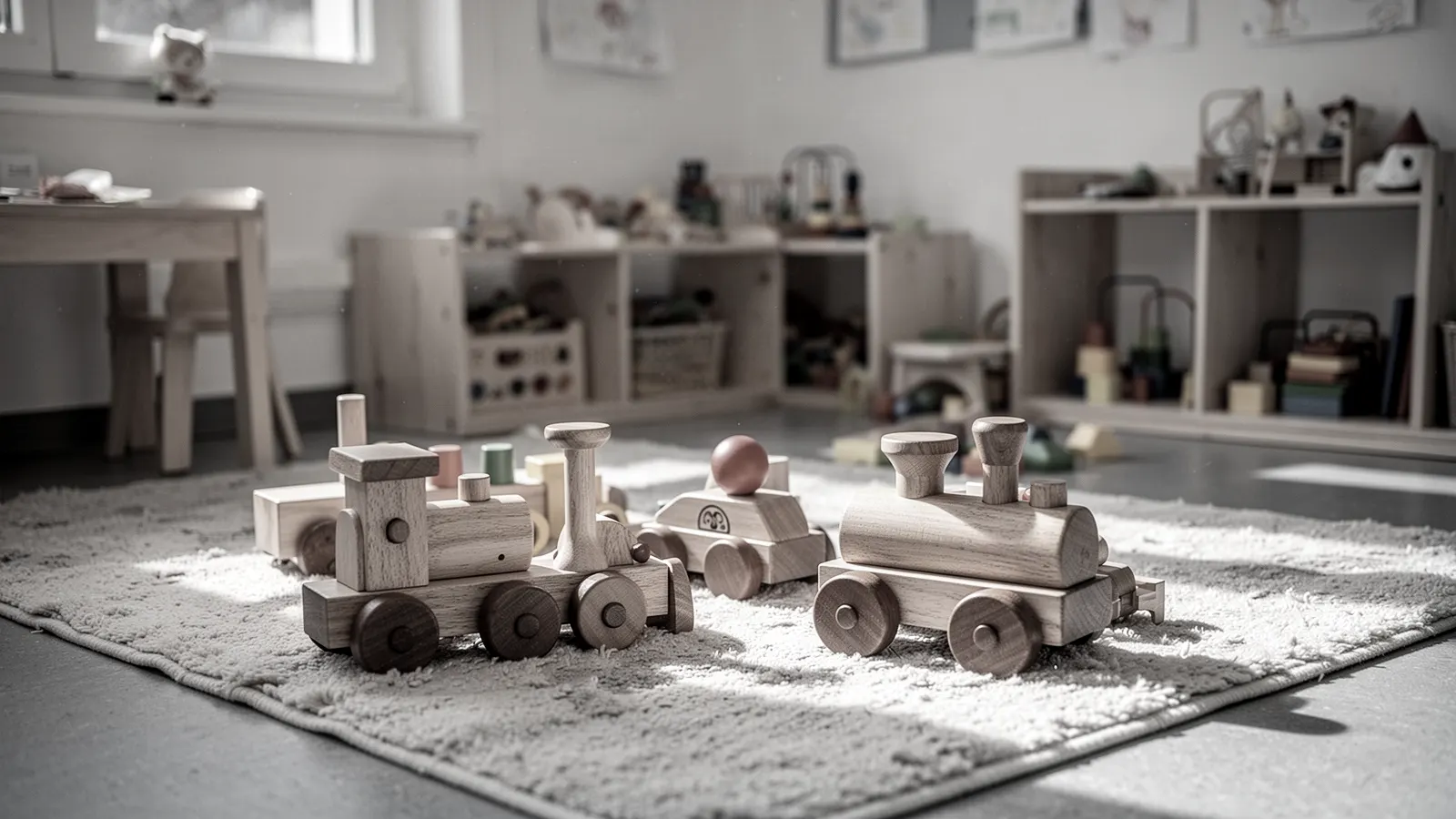
When a transferee has young children, childcare often decides whether an assignment starts on time. Your employee may ask how much childcare costs in Switzerland before accepting the offer. The honest answer is that no national price exists. Childcare is organised locally, and what a family pays depends on the municipality, the type of provider and the household's situation.
This page explains how the system is built, what to ask, and what your policy should cover. It gives no price list, because any single figure would mislead.
How childcare is organised
Switzerland has no single national childcare service. Responsibility is shared between the cantons and the municipalities (Gemeinde). Each sets its own rules for who may run a facility, how places are allocated and whether public money lowers the parents' bill.
The result is a patchwork. Two neighbouring municipalities can offer very different conditions. For an employer, this means the destination decides more than the country does.
Most provision falls into a few families:
- Day nurseries (crèche, Kinderkrippe, Kita): care for young children, usually on set days or half-days.
- Childminders (accueil familial, Tagesfamilien): care in a private home, often organised through an association.
- Out-of-school care (accueil parascolaire, Hort, Mittagstisch): lunch and supervision before and after lessons.
- Private and employer-linked arrangements: a nanny, an au pair, or places reserved by a company with a facility.
Terms vary by language region. Ask your employee's destination municipality which words it uses.
Why the price is not a single number
Several factors move the bill. Treat them as questions to put to the municipality, not as rules.
- Subsidies. Some municipalities and cantons lower fees according to household income. Others leave the parents to pay the full rate.
- Type of provider. Public, non-profit and commercial providers set prices differently.
- Hours and days. Full days cost more than half-days. Lunch and holiday cover are often charged separately.
- Age of the child. Care for the youngest children is generally the most expensive, because staffing needs are higher.
- Residence status and tax position. Eligibility for subsidies can depend on where the family is registered and on declared income. This is a question for a specialist, not a general answer.
Because income can affect the rate, a transferee on an international package may be treated differently from a local household. Your policy should assume the family may not qualify for reduced rates until the municipality confirms otherwise.
Availability and waiting lists
Places are the larger problem in many areas. Popular facilities often keep waiting lists, and some families register long before they need a place. A transferee who starts looking after arrival may find nothing immediately available.
What this means in practice:
- Registration can usually be done before arrival, but providers may ask for an address in the municipality.
- Some facilities give priority to residents or to families already on the list.
- Out-of-school care can also be oversubscribed, especially for lunch and afternoon slots.
- Waiting times differ by town, so a national average tells you little.
For group moves, avoid promising a start date that depends on a childcare place. The facility, not the employer or the relocation provider, decides whether a place is offered. The relocation calendar helps sequence the other steps around that uncertainty.
What changes with the school system
Childcare and school are linked. Once a child reaches compulsory school age, the question moves from nursery to out-of-school care, and the school calendar sets the rhythm of the day. Many schools close for lunch and finish early on some days, which leaves working parents with gaps.
Read the Swiss school system and public schools pages first if your transferee has children of school age. If the family prefers an international option, see international and bilingual schools. Enrolment steps are covered in enrolling a child in school after arrival.
Do not assume that an international school removes the childcare question. Some offer extended care. Others do not, and the family then arranges lunch and afternoon cover privately.
Timing: what is fixed and what is not
Few fixed deadlines apply to childcare itself. Two administrative steps do matter, because other services depend on them.
- Registration with the municipality. The family announces its arrival to the commune, and the usual period is 14 days (ch.ch). It can vary by municipality or canton, so confirm locally. You normally need an identity document, the residence or work permit and proof of health insurance. Many facilities and subsidy offices ask for proof of residence.
- Health insurance. Anyone living in Switzerland must take out basic health insurance no later than three months after taking up residence. If that period is respected, cover is backdated to the date of residence (Federal Office of Public Health, FOPH). This applies to children as well as adults.
The permit route is a separate matter. Two regimes exist, one for EU/EFTA nationals and one for third-country nationals (State Secretariat for Migration, SEM). Family members' permits are handled with the main permit holder's case. Childcare itself does not change the permit, but a delay in the permit can delay registration and so the childcare application.
What to prepare from abroad
Ask your transferee to gather documents before leaving:
- Children's identity documents and birth certificates
- Vaccination records for each child
- Details of any special medical or dietary needs
- Past childcare or school reports, if available
- Contact details for the new municipality's childcare office
- A short description of the days and hours of care needed
Providers often ask about language, so tell them which languages the child speaks. A child who speaks only English may find a German-, French- or Italian-language setting an adjustment. This is not necessarily a problem, but it is worth planning, and the family should decide knowingly. See also language courses for assignees.
What the employer can do
Employers usually choose among three approaches. None is the right one for every case.
| Approach | What it covers | Main risk |
|---|---|---|
| Lump sum | A fixed allowance for the family to organise care | May fall short in high-cost municipalities |
| Managed service | A provider helps search and register | Depends on local places being available |
| Reimbursement | Actual fees reimbursed within a cap | Needs clear rules on what counts |
Whichever you pick, state it in the policy. Say whether childcare is part of the package, whether it applies to out-of-school care, and for how long. The relocation package page gives context on how allowances are built.
Consider the accompanying partner too. If the partner plans to work, childcare is the practical limit. See supporting the accompanying partner.
How a specialist helps
The relocation companies we connect you with can look at the destination, explain local childcare rules and help your employee register. They do not set prices or reserve places. The facility decides that. A specialist can examine the family's situation, including whether subsidies are likely.
Related support sits in the settling-in service and the school search service. To start, use the relocation support request form at the bottom of the page.
Frequently asked questions
How much is childcare in Switzerland?
There is no single national price. Fees depend on the municipality, the provider, the child's age, the hours and sometimes household income. Ask the destination municipality and the facility for their current fee schedule.
Why do childcare costs vary so much?
Childcare is regulated and funded locally. Each canton and municipality decides on subsidies and standards, so identical care can cost different amounts a few kilometres apart.
Is childcare subsidised?
In some places, yes. Public money lowers fees in certain municipalities, often according to income. Others offer no subsidy. Check locally.
Will an international transferee get a subsidy?
It depends on the municipality and on the family's registered situation. Do not assume eligibility. A specialist can examine the case.
Can we register before arrival?
Often yes, although some providers ask for a local address. Contact the facility early and ask what they require.
How long are waiting lists?
They differ by town and by provider. Some areas have places available quickly. In others, families wait a long time. No national average is reliable.
What is the difference between a crèche and a childminder?
A crèche (Kinderkrippe, Kita) is a facility with several staff. A childminder (Tagesfamilie) cares for children in a private home. Both are common.
What is out-of-school care?
It is supervised care before and after lessons and over lunch (Hort, Mittagstisch, accueil parascolaire). It supports parents when school hours do not match working hours.
Do schools provide lunch?
Practice varies. Some schools have a lunch service. In other places, children go home or attend a separate lunch structure. Ask the school.
Can the employer pay for childcare?
Yes, as part of the policy, for example through a lump sum or reimbursement. Set the rules in writing, and ask a specialist about the tax treatment.
Does childcare affect the work permit?
No. The permit depends on the employee's admission route, EU/EFTA or third-country. Childcare is arranged separately after arrival.
Do children need health insurance?
Yes. Everyone resident in Switzerland must have basic health insurance within three months of taking up residence. This includes children.
What documents will a provider ask for?
Typically identity documents, proof of residence and, for subsidies, proof of income. Requirements differ, so ask the provider.
What is the registration period for arrival?
Families usually register with the municipality within 14 days of arrival. It can vary by commune, so confirm locally.
Is English accepted in childcare?
Some settings use English, but most work in the local language. A child's language should be discussed with the provider before enrolment.
Can the family use a nanny or au pair?
Private arrangements exist. They bring employment obligations for the family, so ask a specialist before hiring.
Should we wait until arrival to look for a place?
Starting early is generally wiser, because places can be limited. Where registration needs a local address, begin as soon as the address is known.
How does childcare relate to school?
When a child starts compulsory school, care shifts to out-of-school provision. Read the school system page for how the school day is structured.
What if no place is available on arrival?
Plan interim care. Options include a private carer, a short-term arrangement or a flexible start date for the employee. The facility, not the employer, decides on places.
Who decides whether a place is offered?
The provider, following its own rules and the municipality's priorities. Neither the employer nor a relocation provider can secure a place.
Sources
Related pages
- Schools in Switzerland for expatriate families
- The Swiss school system
- Public schools in Switzerland
- International and bilingual schools in Switzerla
- What an international school costs
- Enrolling a child in school after arrival
- Universities and higher education institutions f
- Supporting the accompanying partner