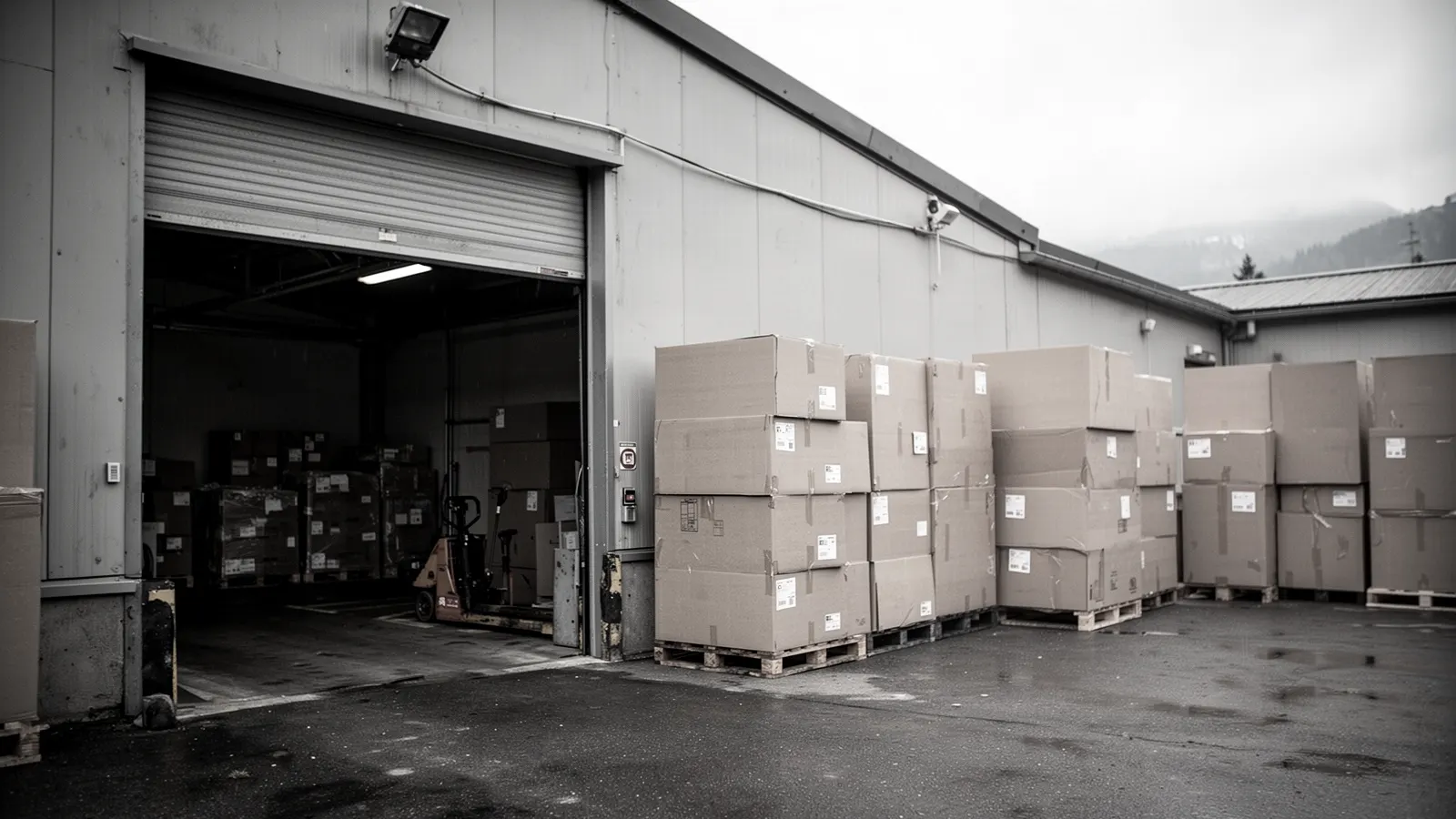
Moving household goods to Switzerland customs procedure is one of the few parts of a relocation that your employee cannot fix after the event. A shipment that arrives without the right paperwork waits at the border. Storage charges and avoidable duty follow. This guide is written for the HR or mobility manager who sets the policy and for the transferee who has to carry it out.
The rule in one paragraph
Switzerland allows people who move their home to the country to import their personal belongings free of customs duty. This is called relief for removal goods (Umzugsgut or Übersiedlungsgut). It is a relief, not an automatic right. The goods must be personal effects that were already in use abroad, and the import must be tied to the move itself. The Federal Office for Customs and Border Security (FOCBS) administers it.
The two conditions that decide everything
According to the FOCBS, two tests apply to the items themselves and to the timing.
Use abroad: six months
The objects must have been used for 6 months abroad before the transfer of residence (FOCBS). Items bought shortly before departure do not meet this test. A new sofa delivered last week is not removal goods, even if it travels in the same lorry.
Timing: two years
The import must be linked in time to the move. The FOCBS treats an import within 2 years as unproblematic. Beyond that, the link to the move becomes harder to show. Plan the shipment around the arrival date, not around the end of the lease at the origin address.
What this means in practice
- Goods that your transferee already owns and has used qualify in principle.
- Goods bought for the new home in Switzerland follow ordinary import rules.
- Items acquired just before the move need a separate check with the customs authority.
- Vehicles follow their own procedure. See importing a car to Switzerland.
The relief covers personal effects. It is not a route for importing goods that will be resold or used for a business. If your policy covers a transferee who also moves business equipment, raise it with the removal provider at the quotation stage.
The inventory
Customs relies on a list. Ask the removal company for a detailed inventory before loading, not after.
A good inventory has these features:
- One line per item or per sealed carton, with a plain description.
- The room or category, so that officers can match boxes to contents.
- A mark for items that are not yet six months old.
- A note of any item that is not a personal effect.
- The same language and spelling as the declaration.
A vague line such as "miscellaneous" invites a physical inspection. A precise list shortens clearance.
The declaration: Form 18.44
The declaration is made on Form 18.44, titled "Declaration/application for customs clearance of removal goods". It is signed and prepared in two copies. The form is published by the FOCBS and is available as a PDF.
The transferee signs it. In a managed move, the removal company usually completes the details and presents the form at the border. In a lump sum arrangement, your employee may have to do this alone. State clearly in the policy who prepares the form.
Who does what
| Task | Employer or HR | Transferee | Removal company |
|---|---|---|---|
| Set policy on shipment scope | Yes | No | No |
| Decide what travels | Advises | Yes | Advises |
| Prepare the inventory | No | Reviews | Yes |
| Sign Form 18.44 | No | Yes | Prepares |
| Present goods at the border | No | Sometimes | Usually |
| Pay storage if goods are held | Per policy | Per policy | Invoices |
Timing the shipment against the immigration steps
Customs relief assumes a change of residence. That is why the shipment sits between the permit and the local registration. For a transferee from a third country, the work permit comes first. For nationals of the EU or EFTA, a different regime applies. The SEM confirms that two regimes exist: one for EU/EFTA nationals and one for third-country nationals. Use the permit finder to see which one applies to your case.
Then follow the arrival steps:
- Register with the municipality within 14 days of arrival. Bring the passport, the residence or work permit and proof of health insurance. The exact rules vary by municipality, so confirm locally.
- Take out basic health insurance no later than three months after taking up residence. If the deadline is met, cover is backdated to the date of arrival.
A removal van that arrives before the transferee has a permit creates a problem. The goods have no clear link to a change of residence. Avoid it where you can. See the relocation calendar for a suggested order of steps.
A suggested sequence
Checklist for the HR or mobility team
- Confirm in the policy whether the move is managed or lump sum.
- Ask the transferee to list which items were bought recently.
- Require a written, itemised inventory from the removal company.
- Check that Form 18.44 will be signed in two copies.
- Align the shipment date with the permit and the arrival date.
- Decide who pays if goods wait at the border.
- Keep copies of all customs documents with the personnel file.
Common mistakes
- Sending new purchases with the main shipment and assuming relief applies.
- Treating the removal company's quotation as proof of clearance.
- Shipping before the permit is secured.
- Leaving it unclear who signs the form.
- Forgetting that vehicles, and some regulated items, follow separate procedures.
Your relocation support request can bring in a specialist who checks the facts of your case. For general planning, see also common mistakes when moving to Switzerland and international moving to Switzerland.
Frequently asked questions
Do household goods entering Switzerland attract customs duty?
Not if they qualify as removal goods. Personal effects of a person moving their home to Switzerland can be imported duty free under the conditions set by the FOCBS. Items that fail the conditions are handled under ordinary import rules.
Which form do we need?
Form 18.44, the declaration for customs clearance of removal goods. It must be signed and prepared in two copies. The FOCBS publishes it.
How long must the goods have been used abroad?
The FOCBS expects the objects to have been used for 6 months abroad before the transfer of residence. Newer items fall outside the relief.
Can my employee import goods after arriving?
Yes, if the import is linked in time to the move. The FOCBS regards an import within 2 years as unproblematic. Later imports are harder to justify.
Does the relief apply to every nationality?
The customs relief depends on a change of residence, not on nationality. Nationality affects the permit route instead. EU/EFTA nationals and third-country nationals follow different admission regimes.
Who signs the declaration?
The person moving their home signs. A removal company may prepare the form and present it, but the signature belongs to the transferee.
Do we need a detailed inventory?
Yes, in practice. The inventory supports the declaration and speeds up clearance. A vague list increases the chance of inspection.
What happens if an item is under six months old?
It does not meet the use-abroad test. Declare it separately and ask the customs authority how it will be treated. Do not hide it among the removal goods.
Can the goods travel before the permit is issued?
Avoid it. The relief assumes a change of residence. A shipment that arrives before your transferee has a permit has a weaker link to that move.
Is the municipality registration relevant to customs?
It is part of the same move. Your transferee registers with the municipality within 14 days of arrival, though local rules vary. Keep the registration confirmation with the customs papers.
Does health insurance affect the shipment?
Not directly. Your transferee must take out basic health insurance no later than three months after taking up residence. Cover is backdated if the deadline is met. It is an arrival task that sits alongside the shipment.
Can a car travel with the household goods?
A vehicle follows a separate procedure. Read importing a car to Switzerland before including one in the plan.
What if my employee uses a lump sum?
The employee carries the practical burden. Your policy should say who prepares the inventory, who signs the form and who pays if goods are held at the border.
Should the employer or the employee choose the removal company?
That is a policy decision. Whoever chooses should require an itemised inventory and clear handling of Form 18.44. A relocation services overview can help you compare models.
What if the shipment includes furniture for a new apartment?
Goods bought for a new home in Switzerland are not previously used abroad. They follow ordinary import rules. Keep them apart from the removal goods.
Do we need the lease before shipping?
A delivery address is needed. Read about renting in Switzerland and the apartment search before fixing delivery dates.
Is storage in Switzerland possible if the home is not ready?
Often yes, but it adds cost. Ask the removal company before the move and agree in the policy who pays.
Does household insurance matter?
Your transferee should consider cover for the goods in transit and for the new home. See household contents and liability insurance. A specialist reviews individual cases.
What should the transferee prepare from abroad?
The inventory, a list of recent purchases, identity documents, the permit documents and the signed form. A personalised checklist can organise the tasks.
Can the site help with the customs declaration?
The site does not complete declarations. It connects you with relocation companies in Switzerland. Use the request at the bottom of the page to describe the move, and the matching depends on your needs.
Sources
- Federal Office for Customs and Border Security (FOCBS), removal goods FAQ
- Federal Office for Customs and Border Security (FOCBS), moving and relocation goods
- Federal Office for Customs and Border Security (FOCBS), Form 18.44
- State Secretariat for Migration (SEM), admission of workers
- ch.ch, the Swiss authorities' portal
- Federal Office of Public Health (FOPH), compulsory health insurance