Most relocation policies cover permits, housing and tax. Very few cover the small household obligations that arrive in the post during the first weeks. The Serafe fee in Switzerland is the best known of them. Alongside it come the postal set-up, a mobile contract and an electricity account.
None of these items is complicated. Each one becomes a problem when nobody owns it. This guide sets out what each item is, who triggers it, and where an employer's mobility team can save its transferee a frustrating first month.
What the Serafe fee is
Switzerland funds public radio and television through a household levy, not through a licence tied to a device. The levy is collected by a company called Serafe on behalf of the federal authorities. Legal bases are the federal radio and television act (LRTV, in German RTVG) and its ordinance (ORTV).
One household pays one annual fee. In 2026 the fee is CHF 335 per household per year (OFCOM). A reduction to CHF 312 from 2027 and CHF 300 from 2029 has been decided (OFCOM). Press reports carried these figures, so the Federal Office of Communications remains the place to confirm the current amount.
Having no television does not change the principle that the household pays. The levy follows the household, not the equipment.
How the household is found
There is no registration step for the newcomer. Serafe takes addresses from the municipal registers. Once your employee registers with the commune, the household appears in the data and the first invoice follows.
This has a practical consequence. The invoice reaches a person who may not yet read German, French or Italian. It may arrive at a temporary address, or after the employee has moved on. Mobility teams that brief this in advance avoid a reminder letter.
The arrival sequence that triggers everything
The household admin follows a fixed chain. Arrival registration comes first, because many later steps depend on it.
- Registration with the commune takes place within 14 days of arrival (ch.ch). The exact rule can vary by commune or canton.
- On site the commune asks for an identity document, the residence or work permit, and proof of health insurance.
- Basic health insurance is compulsory within three months of taking up residence (FOPH). If the deadline is met, cover is retroactive to the date of arrival.
- Serafe invoicing then follows from the register data.
Because the commune asks for proof of insurance at registration, the insurance decision cannot wait. See the Swiss work permit guide for the permit side of this chain, and settling-in support for the arrival visit itself.
Post: the mailbox is an address system
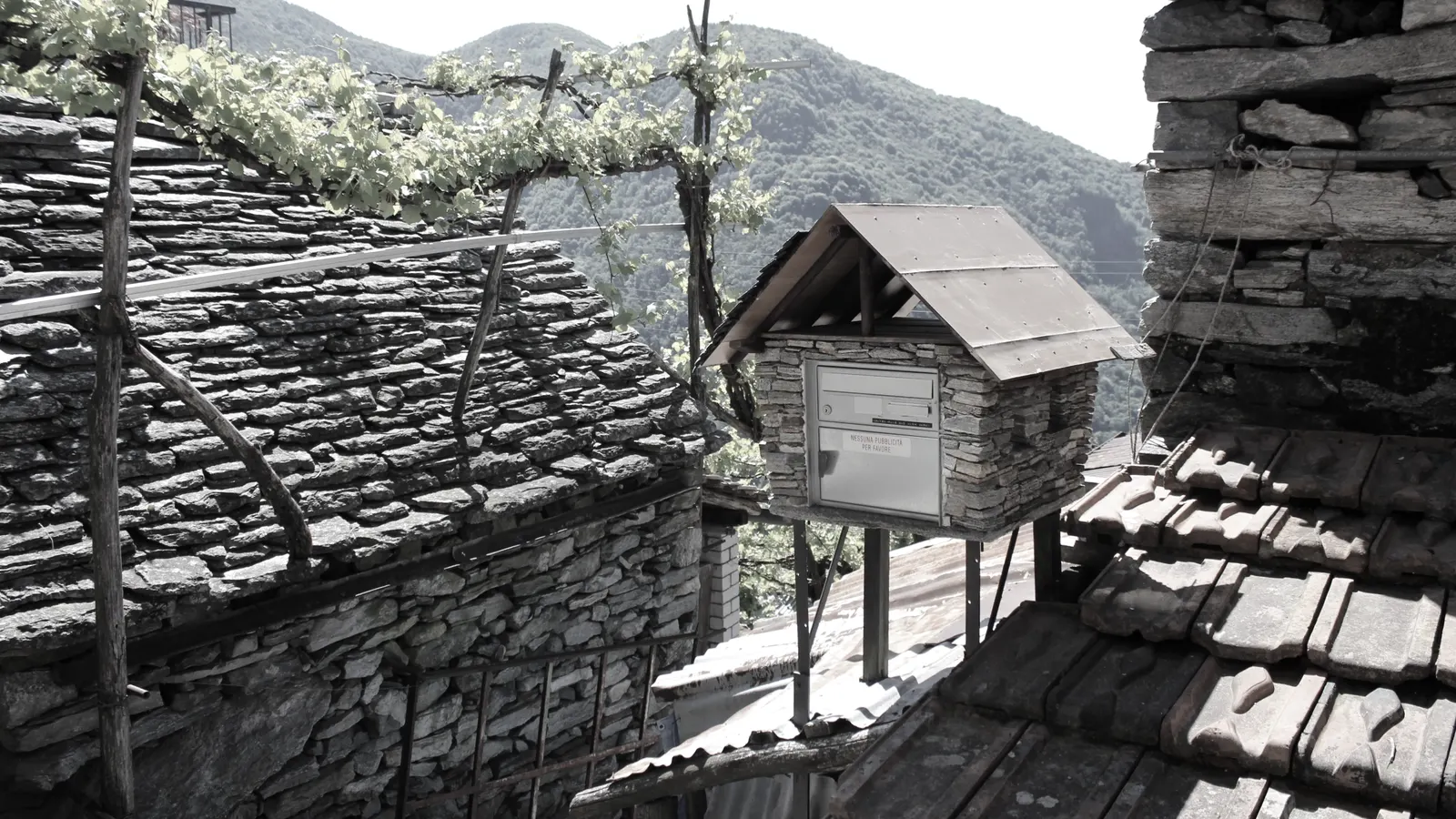
Swiss buildings usually have a mailbox in the entrance hall, labelled with the name of each resident. A parcel or a registered letter is delivered only if the name on the box matches the name on the item.
Newcomers often lose letters because the label was never changed. The previous tenant's name may still be there. Ask the landlord or the building manager to add the transferee's name.
Registered letters need someone to collect them. A collection notice is left in the box and the item waits at a postal counter for a limited period. Authorities use registered mail often, so a missed notice can mean a missed deadline.
Mail forwarding from the home country is worth organising before departure. It is a short step and it catches tax letters and bank statements that arrive late. See importing household goods for the removal side.
Mobile: contracts and the lack of a credit history
A mobile contract is usually one of the first things a transferee wants, and one of the hardest to get without a local record. Operators may check identity, permit and address. A prepaid card works from the first day and removes the problem for a few weeks.
Points to check before signing a postpaid contract:
- the contract term and the notice period;
- roaming and the use of the number back home;
- whether the plan can be ended if the assignment finishes early;
- whether the operator accepts a foreign payment method.
Contract costs are not set out here. The plans change often and the operators set their own prices.
Electricity and utilities
In most Swiss rentals the electricity account is linked to the flat. The local utility asks the new tenant to register once the lease starts. Often the meter is read at move-in and move-out.
Some buildings include heating and hot water in the service charges, while others bill them separately. The lease says which applies. Check this before the household budget is drawn up, because an unexpected annual bill is a common source of complaints. The cost of living guide gives a wider budget view.
Recycling fees, waste bags and quiet hours follow local rules too. The recycling and neighbour rules page explains how they work.
Insurance, banking and tax links
Household contents and liability insurance is separate from health insurance and is frequently requested by landlords. See household contents and liability insurance. A local bank account is needed for the Serafe invoice, the rent and the utilities, so opening a bank account belongs early on the list. Employees on a foreign payroll should also read about withholding tax at source and tax returns.
Checklist for the mobility team
- Brief the transferee on the household levy before departure
- Confirm arrival registration is booked with the commune
- Ask the landlord to label the mailbox and bell
- Arrange a prepaid mobile solution for the first weeks
- Check what the lease says about heating and electricity
- Open a local bank account for recurring invoices
- Add household and liability insurance to the arrival plan
The personalised checklist generator and the relocation calendar turn this list into dates. For a group move, the relocation services overview describes how the request works. A specialist examines each case through the request at the bottom of the page.
Frequently asked questions
What is the Serafe fee in Switzerland?
It is the annual household levy that funds public radio and television. Serafe collects it for the federal authorities. It applies per household, not per device.
How much is the Serafe fee in 2026?
It is CHF 335 per household per year (OFCOM). Reductions to CHF 312 from 2027 and CHF 300 from 2029 have been decided (OFCOM). The authority confirms the current figure.
Does each person in a household pay separately?
No. One household pays one fee. Flatmates in a shared flat are generally treated as one household. The authority decides edge cases.
Does the employee need to register for Serafe?
No registration step exists. Serafe takes addresses from the municipal registers. The invoice follows the arrival registration.
Can an employee avoid the fee by not owning a television?
No. The levy no longer depends on owning a device. The household pays regardless.
In which language is the invoice written?
It usually follows the language of the region. A transferee in a German-speaking area may receive German. Briefing the employee in advance avoids missed payments.
What happens if the first invoice is lost?
The employee can ask the collection company for a copy. A lost letter does not cancel the obligation. Reminders can follow.
Who pays if the employer covers household costs?
That depends on the assignment policy. Some employers include the levy in a settling-in allowance, others leave it with the employee. The policy should say so.
Is the fee related to the municipal registration?
Yes, indirectly. Registration with the commune places the household in the register that Serafe uses.
How soon must the employee register after arrival?
Within 14 days of arrival (ch.ch). The rule can vary by commune or canton, so the local commune confirms it.
What does the commune ask for at registration?
An identity document, the residence or work permit, and proof of health insurance. Some communes ask for more.
When must health insurance be taken out?
Basic health insurance is compulsory within three months of taking up residence (FOPH). It is retroactive to arrival if the deadline is met.
Why does the postal name on the mailbox matter?
Items are delivered only to named residents. A missing name can lead to returned parcels. The landlord or building manager can fix it.
What is a registered letter notice?
It is a slip left in the mailbox when an item needs a signature. The item is held at a postal counter. Collection requires an identity document.
Can mail be forwarded from the home country?
Most postal operators offer forwarding for a fee. It is useful for the first months. The employee sets it up before departure.
Can a newcomer get a postpaid mobile contract immediately?
It depends on the operator. Identity, permit and address may be checked. A prepaid card bridges the gap.
Is a Swiss bank account needed for these household items?
Often yes. Invoices for the levy and utilities are paid by bank transfer or e-banking. See the bank account guide.
Who sets up the electricity supply?
The tenant usually registers with the local utility once the lease starts. The lease or the landlord names the supplier.
Are heating and hot water included in the rent?
That depends on the lease. Some leases bundle them in service charges and others bill separately. The lease document is decisive.
Does a short assignment change any of this?
The obligations follow residence, not the length of the assignment. A transferee who is registered with a commune is in the register.
What if the employee leaves Switzerland early?
The employee deregisters from the commune. The household then leaves the register. The collection company can confirm the end of billing.